

After major flood events, communities face massive challenges from flood-deposited debris—sediment, vegetation, building materials, hazardous waste, and more. Debris can block channels, exacerbate future flooding, pose health risks, hinder recovery, and complicate infrastructure repair.

Source: https://www.dreamstime.com/excavator-clearing-fallen-trees-city-street-storm-works-to-remove-debris-residential-following-recent-image372747535
Effective debris management and removal is critical for:
- Public safety — Clearing roads, waterways, and public spaces quickly to restore access and prevent secondary hazards.
- Environmental protection — Proper handling avoids contaminating water sources or improper disposal issues.
- Cost recovery — Under FEMA’s Public Assistance (PA) program, eligible debris removal costs can be reimbursed if communities follow federal guidelines, including pre-disaster planning, contracting, and documentation.
- Long-term resilience — Integrating debris considerations into floodplain ordinances and mitigation plans reduces repetitive damage and supports sustainable recovery.
Key principles from FEMA guidance include:
- Developing a pre-event debris management plan (essential for eligibility and efficiency).
- Prioritizing debris types (e.g., vegetative vs. construction/demolition).
- Using temporary sites for processing and final disposal.
- Coordinating with state/federal agencies during declarations.
Floodplain managers play a pivotal role in advising on regulations that minimize debris generation (e.g., vegetative buffer requirements, erosion controls) and ensuring post-flood actions align with NFIP standards to avoid violations.
Mastering this topic strengthens your ability to help communities recover faster and more cost-effectively while maintaining NFIP compliance.
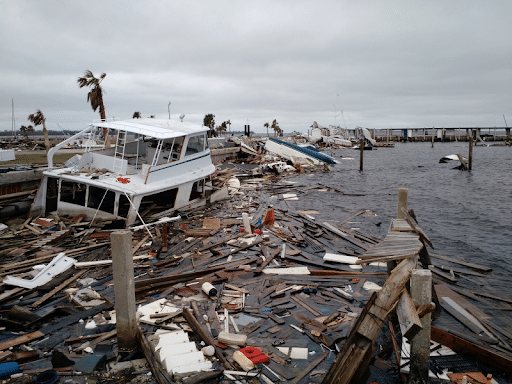
Source: NOAA’s Marine Debris Blog
Preparing for the CFM Exam: Tackle Debris Management and More
Studying scattered resources can be overwhelming—ASFPM provides excellent library materials, but organizing them into a structured study plan takes time. That’s where targeted preparation makes all the difference.
If you’re gearing up for the CFM exam, consider Civil Engineering Academy’s Ultimate Floodplain Manager Review Course. This comprehensive, all-in-one program covers every major exam topic, including the latest updates on emergency response and recovery elements like debris management. It features structured modules, practice questions, expert guidance, and resources to build confidence from basics to advanced concepts.
Many aspiring CFMs have used it to streamline their prep and pass efficiently. Whether you’re new to floodplain management or refreshing for certification, it’s designed to guide you step-by-step toward success.
Ready to elevate your floodplain expertise? Check out the course here: The Ultimate Floodplain Manager Review Course or visit floodplainreviewcourse.com.
Becoming a Certified Floodplain Manager isn’t just about passing an exam—it’s about contributing to safer, more resilient communities. Good luck with your studies and certification journey!
Author: Matt Fanghella, PE, CFM